
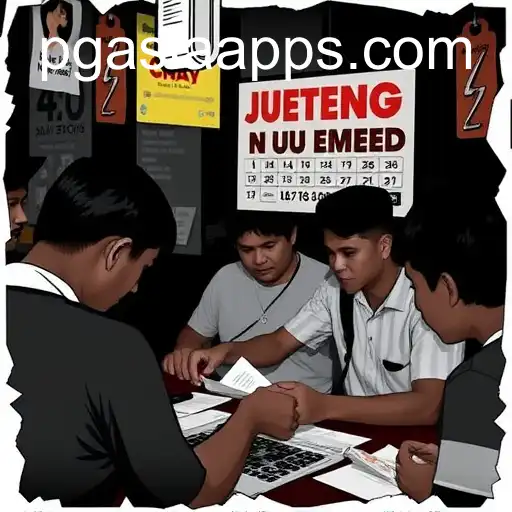
PGasia | Exploring Jueteng: The Complex Landscape of Illegal Gambling
PGasia’s An in-depth analysis of jueteng, a prominent illegal numbers game in the Philippines, exploring its economic, social, and political impacts.
Understanding Jueteng and Its Impact on Society
Jueteng is a popular numbers game in the Philippines, often considered part of the country’s socio-economic landscape. Despite its illegal status, this underground form of gambling continues to thrive, evolving from a pastime to an organized, multi-million peso industry. While the game is undeniably popular among certain demographics, its implications stretch beyond mere entertainment, impacting economic, social, and political spheres.
What Is Jueteng?
Jueteng is a form of illegal gambling that involves betting on numbers ranging from one to thirty-seven. Players place bets on two numbers, and if both are drawn, they win a multiple of their wager. The simplicity of the game and its relatively low entry fee make it appealing to a broad audience, particularly those from lower-income backgrounds looking for a chance at quick money. Despite numerous crackdowns and legal restrictions, jueteng operates covertly, often under the protection of local authorities who receive cuts of the revenue.
The Mechanics of Jueteng
Jueteng draws occur multiple times a day, conducted by small groups in varying locations to avoid detection. Combining traditional practices with modern technologies, operators use mobile phones and messaging apps for placing and confirming bets, making the game more accessible. These adaptations allow jueteng to remain a dynamic presence in many communities across the Philippines.
Economic Impact of Jueteng
While illegal, jueteng provides economic benefits to those involved at various levels. Operators, bet collectors, and local officials who profit from the game’s proceeds often enjoy economic stability. However, critics argue that this stability comes at a significant social cost. The lure of easy money draws in individuals who might otherwise allocate limited income towards essential needs. Furthermore, the illicit nature of jueteng means that profits do not contribute to public funding and development, reducing potential economic growth.
Social Implications
Jueteng’s popularity highlights socioeconomic challenges within the Philippines. Its persistence points to issues such as poverty and lack of access to formal financial opportunities. For many, jueteng offers a perceived escape from financial instability, enticing individuals to risk their meager resources for a slim chance at a significant payoff. As such, jueteng perpetuates cycles of poverty rather than resolving them, reinforcing economic divides within communities.
Political Dimensions of Jueteng
The political landscape is also intertwined with jueteng. Allegations of corruption frequently surface, implicating local and even national officials. Protection rackets often form around illegal gambling, with officials receiving bribes to overlook operations. These instances of corruption undermine trust in public institutions and governance, posing serious challenges to anti-gambling legislation and law enforcement.
Jueteng and Governance
The intersection of gambling and governance is complex, particularly when considering the role of law enforcement. While some initiatives have aimed to eradicate jueteng, the systemic nature of corruption and the game's widespread acceptance complicate these efforts. Political will and public support are crucial for creating effective and sustainable solutions. However, these factors are often compromised, further entrenching jueteng within the cultural fabric.
The Role of Media and Public Perception
Media portrayals of jueteng fluctuate between glamorization and cautionary tales, highlighting the duality of public perception. Some see it as a harmless tradition, while others view it as a blight on society. Increasing awareness and education about the broader implications of gambling are essential in shifting public discourse. Effective media coverage could provide a catalyst for change by informing and mobilizing public opinion.
Potential Pathways Forward
Addressing the challenge of jueteng involves a multifaceted approach, considering legal, economic, and social dimensions. Legalizing and regulating certain forms of gambling could potentially funnel revenue into public works while reducing corruption. However, this raises ethical questions and concerns over exacerbating gambling addiction. Implementing robust education and intervention programs could mitigate some negative impacts, fostering financial literacy and offering alternatives to those in economic hardship.
Enhancing cross-sector collaboration between government bodies, non-governmental organizations, and the private sector could drive meaningful progress. These partnerships could pave the way for innovative solutions, such as community development initiatives that provide economic alternatives to those drawn to jueteng’s allure.
While jueteng remains a contentious issue, its continued prevalence underscores the need for a nuanced understanding and an integrated response. Exploring solutions through legislative reforms, socio-economic programs, and improved governance could potentially transform the narrative, addressing the root causes and minimizing the detrimental effects of this widespread practice.
Addressing jueteng's challenges requires coordinated efforts involving multiple stakeholders. With its pervasive influence across many aspects of Filipino life, jueteng is both a symptom of and contributor to broader societal issues that demand comprehensive and strategic interventions. The unique opportunity to transform systemic problems into avenues for growth remains dependent on the commitment and innovation of those invested in change.
